
What to expect when working with a somatic practitioner?
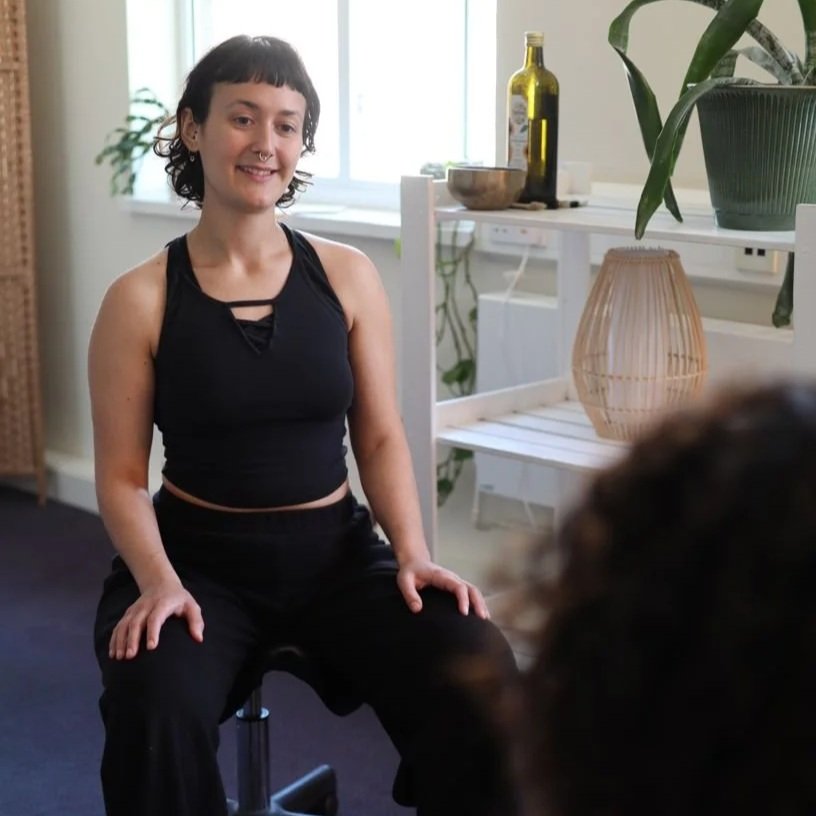
Talk therapy can hit a wall when stress lives in the physical body. A somatic practitioner bridges this gap by focusing on physical sensations, nervous system regulation, and movement to process unresolved stress. If you feel stuck in traditional cognitive approaches, somatic work targets the nervous system directly to help you find belonging in your own skin.

Functional Freeze: When trauma gets in the way of relating
I find myself writing from a space of nervous system shut down. Western medicine call it hypoarousal; nervous system theorists call it ‘a state of freeze’.
I’ve been frozen since 9am today and it manifested through: falling back asleep, feeling nauseous, not being able to see objects that are right there in front of my face, being dizzy and walking around like a drunken fly, feeling heavy in my bones.
I am de-prioritising everything that I need to do because things feel like a tenfold effort (including pretty basic needs things like eating or cleaning myself). My brain is very quiet apart from an occasional sigh or a strong glimpse of anxiety before becoming quiet again; emotions - flat. Sound familiar?
I want to be really transparent in what brought me to this work of somatics and coaching, and in doing that, pointing a finger to what lies above.
3 reasons you could go deeper with somatics online (and why in-person isn’t gold standard)
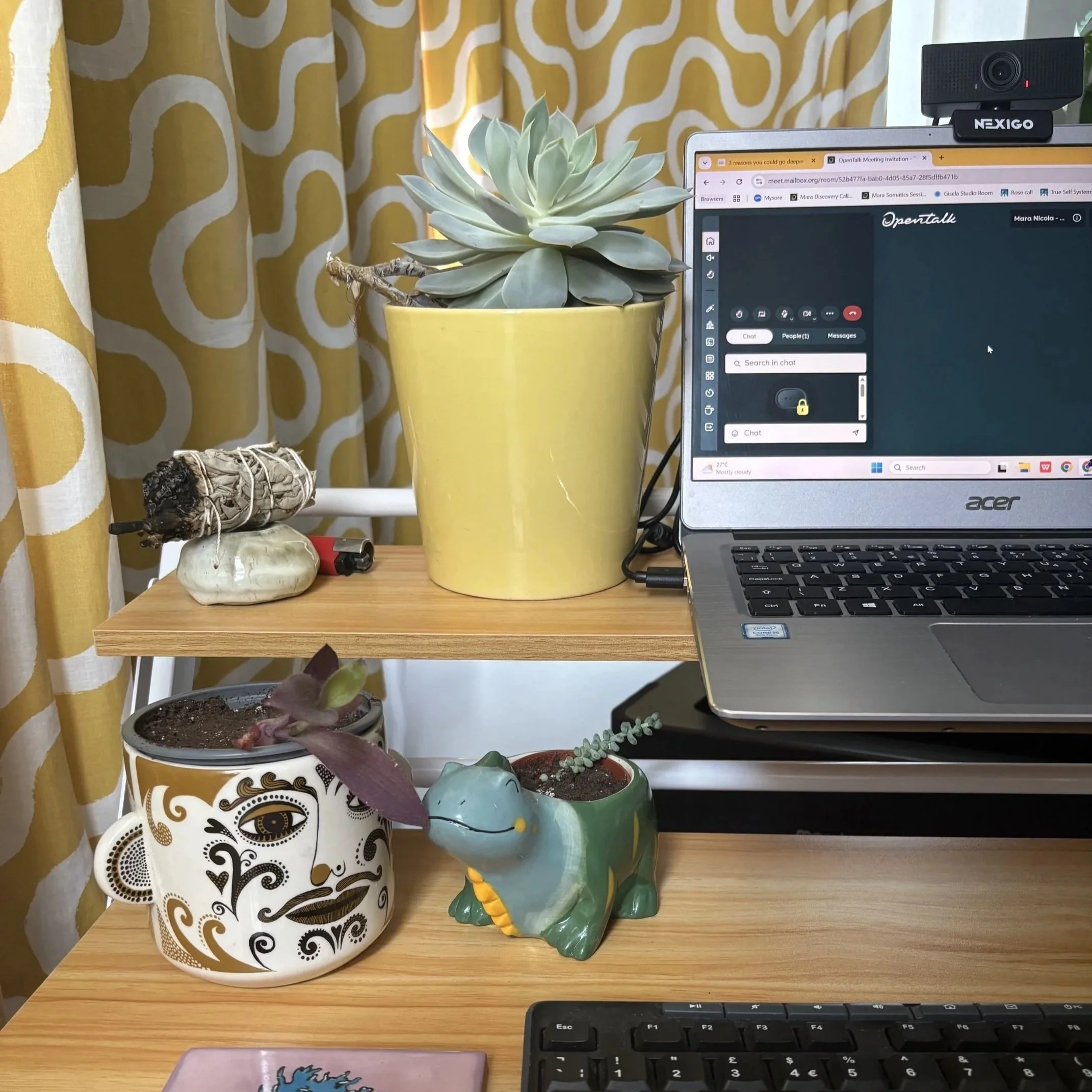
Somatics is all about re-finding nuggets of safety around us. And what better way to start re-establishing that sense of safety than in the comfort of your own home?
Dr. Stephen Porges of Polyvagal Theory, introduced the term ‘neuroception’ as a subconscious process where our nervous system is seeking both the internal and external environment for safety. What does that look like in real life?
The people I work with are really well acquainted with a practice called Somatic Orienting. Simply put, is the exercise of looking around the space, letting your eyes gently explore, and finding familiar or grounding objects to land on. When practicing this at home, your nervous system registers a deep, built-in familiarity with your surroundings. Because you are not spending energy processing new or foreign environments, your system is far more equipped to settle.
Even better, you are creating a room full of direct sensory anchors, to return to when practicing somatics. Long after our call ends, those exact same objects remain in your space as daily reminders of safety. As I tell my participants: Practice is the one thing that turns somatics from a theory into a real, lasting change in the body.