

Queer Massage x Queer Somatics
Based in London or Online, my queer massage and somatic practice offers trauma-informed bodywork and nervous system learning for LGBTQIA+ individuals. Together, we work through stress and burnout using somatic practices to foster embodiment towards belonging and authentic expression.
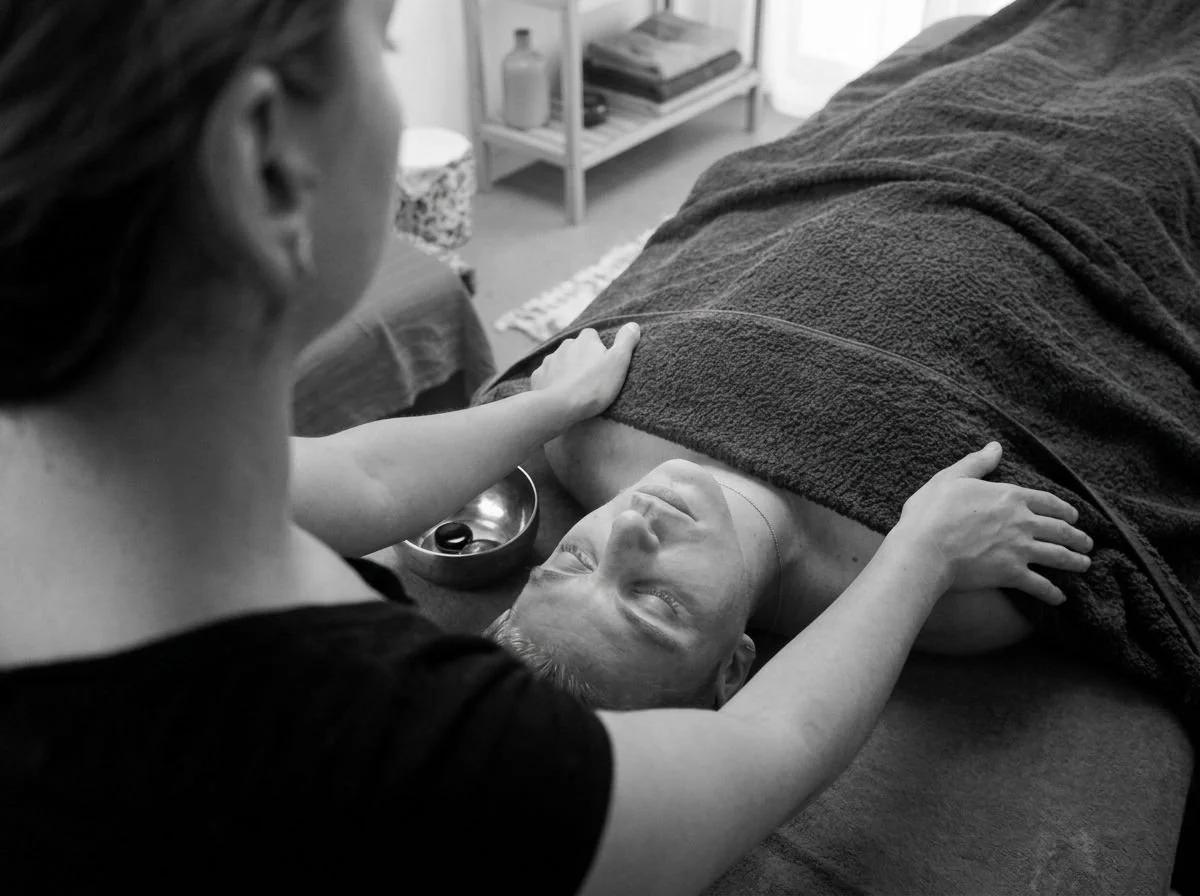
Queer Massage London
A lot of salons and therapy rooms are centred around the cis- and heteronormative experience and image. This might make us feel uncomfortable, not understood, or less than - which is the opposite of what a therapeutic experience should feel like.
How to make queer massage? A recipe based on my practice.
-
Gender doesn’t feature in the pre-session consultation form. What participants would like to be called and how participants would like to be addressed does.
Have a gender neutral toilet.
Participants have the freedom whether or not to disclose if they are using gender affirming therapy.
Body hair or lack of is not gender related. People can show up as they are - hair is hair.
Level of draping (how much of your body is covered during the session) is not based on your gender - but on what feels safe and comfortable for you.
We don’t talk about parts of someone's body unless they actively ask to (and is related to the massage).
-
Create an Accessibility Page so that people can decide for themselves whether the studio and practitioner is suitable for their needs.
Have a sliding scale which include bartering (service exchanges) - the queers are a talented bunch!
Cater to the neurodivergent:
respond before and during sessions to request for different lighting, room arrangement, temperature changes, smells and sound;
prepare a fun and comforting range of stimming toys;
have a weighted blanket on hand;
ask clear questions and offer clear instructions + repeat information differently if you are asked to;
share what and why you are doing before doing it.
-
Lead sessions with curiosity rather than authority.
Bring compassion into the room; you might need to hold space for someone’s heartache or rage.
Stay open to feedback and be receptive rather than defensive in the absence of actual harm.
Share and agree together on a session plan, before the massage starts.
Be receptive to needs for sharing where and how you are going to use touch, before doing it.
Consent is a dynamic experience - check in regularly and look for signs of discomfort.
Even better check in at the beginning of the session, what are the person’s usual known signs of discomfort OR signals/language for ‘NO’ or ‘Lets take a break’.
Or what are the signs of someone enjoying it? Be open to occasional purrrrrrring and the most usual - little snore.
Queer Somatics London
As queer and trans people we deserve to be seen.
As queer and trans people we need a world in which our identities, work, relational choices are not judged - they are curiously held.
As queer and trans people our bodies are sacred and we have the right to health and wellbeing, to move through the world with the same ease as cis-heteronormative people.
x
The space we co-curate together in my somatics sessions is connected with the reality of the systems at play, in and outside the room. I won’t jump to conclusions about the choices you make, or the behaviours you have. Instead, I will be curious about the systems behind those choices.
x
We carry the weight of navigating cis-heteronormative systems: in our tight chests, short breath, anxious thoughts. In our sessions, we slow down to listen to how your body has adapted to survive - and explore what it needs to feel more belonging, confidence, restful, and whole.
x
This space is explicitly neurodivergent-affirming, sex-positive, sw-positive, and supportive of diverse relationship structures, body types and abilities (with in person studio limitations - please read Accessibility Page), and identities.